How many titles are displayed during the opening sequences to the film?
There were 24 total titles displayed in the opening sequences of the film.
What images are prioritized in the opening sequence?
The prioritized images in the opening sequence were photos that one of the main characters have taken himself. They were black and white images of the natural environment that he knew, or, in other words, the everyday events that happen in his surroundings. There were mainly wide shots of an event that contributes to the plot of the story, tracking shots of trees on the side of a road, dolly shots and a pan of the two of the main characters' apartment, and one-shots each of two of the main characters.
What connotations do the images carry?
The connotations that the images carry are of a common, raw, and gritty tone and ambiance.
How is genre reinforced through symbolic and technical codes from the outset?
The genre is reinforced through symbolic and technical codes from the outset by them leaving people bewildered as to what's going on by presenting them with a very suspicious scene then switching to a series of calm, everyday scenes.
How does the film establish an enigma from the outset?
The film establishes an enigma from the outset by beginning the film with a confusing, suspicious scene that leaves the audience in awe; then switching to a series of calm, natural scenes.
What strategies are used to ensure the film appeals to its target audience?
The strategies that were used to ensure that the film appealed to its target audience were dialogue, a sound bridge, and incidental music. The use of dialogue added a comedic tone to an overall suspenseful and suspicious scene. The use of a sound bridge and incidental music built on to the suspense even more. The use of all of these techniques appealed to a variety of audiences; ones that enjoy comedies, thrillers, and action films.
How has technology been used effectively? You want to consider camera angles, transitions, and editing techniques.
Technology has been used effectively by the use of eye-level angles, many different camera shots like close-ups and wide shots, the use of jump cuts, and the use of dissolving titles. These techniques added to the film's genre and left an appeasing impression on the audience making them longing for more.
Friday, January 31, 2020

Title Research: www.artofthetitle.com
In order for my group members and I to learn more about adding titles into the beginning of our films, we were told to take a look at two websites. One of these websites is called https://www.artofthetitle.com/titles/ aka"Art of the Title" which is a website that is used for showing title sequences at the beginning of films. When a person clicks on the website a grey background will appear with posters from movies such as "the Politician". This website is a good website for learning about title sequences because it gives background information of the movie as well as a visual of the title sequences being shown. Located at the top of the home page is a drop box that gives people the option view all titles or to view all features. There's also a search box in the right corner so that people can just search up a film instead of exploring the sight to find it. It's basically a quicker way to find what you are looking for. This website also has a box at the top of the page with the names of designers as well as studios. Another good thing about this sight is that it doesn't just give the titles of movies it also gives titles for things such as short films and tv shows. The films that are on this sight date back to the 1900's all the way to 2020. The films on this site include many different genres such as: horror, comedy. action, and even thrillers. In addition, to what was previously mentioned this site is also good because the films are organized in chronological order. If they weren't in chronological order then it would be harder to find what you are looking for. In my opinion, this website is truly a helpful website. Not only for its titles but for the information that comes with it as well. All in all, this is a website that I would recommend to others if they are wondering about how titles work.


Title Research: www.watchthetitles.com
Today in class, we were given two movie title websites. One of them was www.watchthetitles.com. We were given these sites to help inspire us and give us ideas to what kind of approach we can take towards our title sequence. Most importantly it shows us what they are supposed to look like. Once you type in the web address and have arrived on the website's homepage you are welcomed with the title at the top left corner of the screen. The title of the page is "Watch the Titles!". Then you will see a black background with dissolving slides of different movies. At the top right corner of the screen, there are four sections or main categories: title sequences, designers, studios, and search. These will drop more categories when hovered over. Below that you will be provided with a range of links: films, interviews, feature film, tv shows, event titles, student projects, video games, and french fridays. Once you click these links you will be brought to another side of the page that provides you everything that falls in the category. This feature is very beneficial to the owners and viewers of the website. The content is organized and clear making this part of the website easy to navigate. As a result, the viewers will be more comfortable and pleased with the website. Although, the movies in these are not ordered chronologically. To the average eye, the movies are randomly assorted. The movies range from comedy, to animation, to horror. The website also has a section for interviews. These interviews are ordered by actors, not interviewers. I personally am impressed by this website's design.


Sunday, January 26, 2020
Genre Research: Choosing Our Genre
After much consideration, the genre that my group members and I have decided to do is thriller. We came to this conclusion after observing and analyzing the different genres that we have researched. Those genres were war, horror, and thriller. Overall we just felt that our film could be best described as a thriller. We came to this conclusion by comparing our film with the other genres. When we compared it to war we immediately knew that this wasn’t going to work because that wasn’t going to be the direction that the film was heading in. When we compared it to a horror film we realized that our film wasn’t going to be gory enough to be considered a horror film. When doing this we realized that the aspects that make up and that are in a thriller film are the same aspects that will be in and make up our film.
Genre Research: Exploring Different Genres
To further our quest on different genres, my group members and I decided to explore the genres horror and thriller. Horror films are intended to ignite fear and suspense in the audience. Thrillers are intended to be suspenseful and keep the audience on their toes.
The common camera angles in horror films and thrillers are high angles, birds eye view, low angles, and close- ups. High angles, birds eye view, and low angles are used to show the superiority and/ or the inferiority/vulnerability of a character. Close- ups are used to show the reactions of the characters, and the intensity of the scene. The most common camera movements are tilts and pans. Tilts are used to identify a supernatural being or antagonist in general. Pans are used to show the full area of the scene. The most common camera shots are tracking, point of view, and over the shoulder. Tracking shots are used to film someone’s passage while they’re running from the antagonist(s); they are also used to show when someone is being followed. Point of view shots are used to show the traumatic or horrendous thing or person that a character is looking at; they are also used to show that someone is being watched, or trying to find something. Over the shoulder shots are used to show someone or something lurking being someone else.
The common mis en scene aspects in horror and thriller movies are all of them. They include costumes, lighting, actors, makeup, props, and setting. The distinctive, out of the ordinary costumes are typically worn by the antagonist(s); they fit according to their back stories and personalities. The lighting in horror and thriller films is usually eerie or ominous. The actors in these films must have exceptional abilities; they have to be very convincing and switch from various emotions such as sorrow, fear, and shock. The makeup in these films are very detailed and gory at times especially in serial killer movies. The main props in horror films are the weapons that the antagonist(s) use. The setting of a horror and thriller film is usually in a small or made up town.
The common sounds and editing of horror films and thrillers are diegetic and non diegetic, sound motifs, incidental music, dialogue, cutaway, eye-line match, reaction shot, and jump cut, and eyeline match. Diegetic sounds are present when the scene is calm. Non-diegetic sounds are heard when a very climactic scene is occurring like when the antagonist(s) draws their weapon. Sound motifs occur when the antagonist(s) are about to appear. Incidental music is used to build suspense in the scenes. Dialogue in these type of movies are stemmed from fear and shock, and the characters figure out what to do next. Cutaways are used to show the action that was described in the previous scene taking place in the current scene. Eye line matches are usually used when a character discovers something awful; first their reaction is shown, and then the thing that they are reacting to. This is similar reaction shot; the only difference is that the character could be reacting to something they hear as well. A jump cut is used to show the passage of time. For example, at the end of the movie when he antagonist(s) was defeated and the protagonist(s) is at peace, the scene will move from the climax during the night to the falling action the next morning.
Examples of horror films:




The common camera angles in horror films and thrillers are high angles, birds eye view, low angles, and close- ups. High angles, birds eye view, and low angles are used to show the superiority and/ or the inferiority/vulnerability of a character. Close- ups are used to show the reactions of the characters, and the intensity of the scene. The most common camera movements are tilts and pans. Tilts are used to identify a supernatural being or antagonist in general. Pans are used to show the full area of the scene. The most common camera shots are tracking, point of view, and over the shoulder. Tracking shots are used to film someone’s passage while they’re running from the antagonist(s); they are also used to show when someone is being followed. Point of view shots are used to show the traumatic or horrendous thing or person that a character is looking at; they are also used to show that someone is being watched, or trying to find something. Over the shoulder shots are used to show someone or something lurking being someone else.
The common mis en scene aspects in horror and thriller movies are all of them. They include costumes, lighting, actors, makeup, props, and setting. The distinctive, out of the ordinary costumes are typically worn by the antagonist(s); they fit according to their back stories and personalities. The lighting in horror and thriller films is usually eerie or ominous. The actors in these films must have exceptional abilities; they have to be very convincing and switch from various emotions such as sorrow, fear, and shock. The makeup in these films are very detailed and gory at times especially in serial killer movies. The main props in horror films are the weapons that the antagonist(s) use. The setting of a horror and thriller film is usually in a small or made up town.
The common sounds and editing of horror films and thrillers are diegetic and non diegetic, sound motifs, incidental music, dialogue, cutaway, eye-line match, reaction shot, and jump cut, and eyeline match. Diegetic sounds are present when the scene is calm. Non-diegetic sounds are heard when a very climactic scene is occurring like when the antagonist(s) draws their weapon. Sound motifs occur when the antagonist(s) are about to appear. Incidental music is used to build suspense in the scenes. Dialogue in these type of movies are stemmed from fear and shock, and the characters figure out what to do next. Cutaways are used to show the action that was described in the previous scene taking place in the current scene. Eye line matches are usually used when a character discovers something awful; first their reaction is shown, and then the thing that they are reacting to. This is similar reaction shot; the only difference is that the character could be reacting to something they hear as well. A jump cut is used to show the passage of time. For example, at the end of the movie when he antagonist(s) was defeated and the protagonist(s) is at peace, the scene will move from the climax during the night to the falling action the next morning.
Examples of horror films:

It (2017)

The Conjuring (2013)
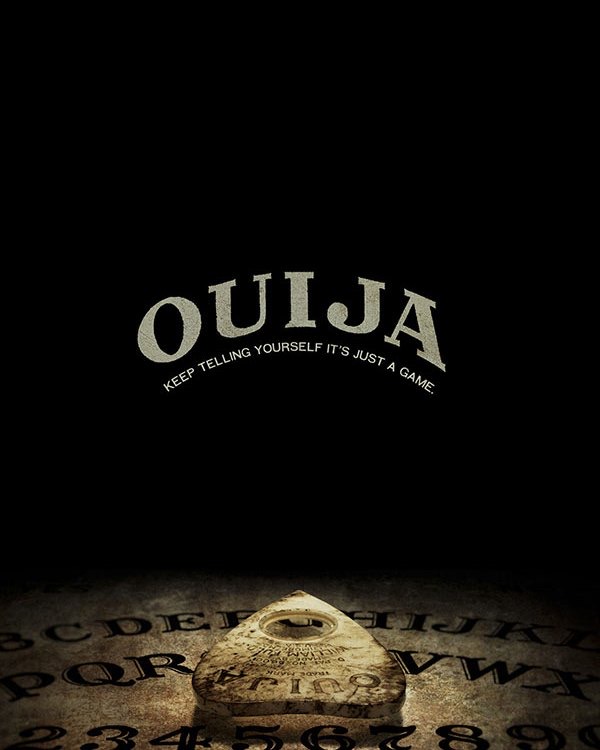
Ouija (2014)

Scary Stories to Tell in the Dark (2019)
Examples of thrillers:
Us (2019)

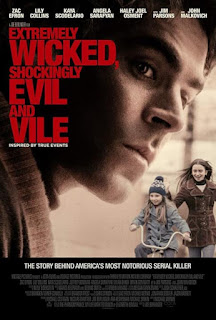
Extremely Wicked, Shockingly Evil and Vile (2019)

A Quiet Place (2018)

Split (2016)

Genre Research: Bird Box
1.) Common Camera Angles (CAMS)
-High angles
In the movie, there were majority high angles. This varied from slightly above eye level to aerial shots in order to convey different purposes, mostly towards the climax and the end of the movie. For example, when Tom went outside to check who was at their door, the people unaffected by the murderous force were viewed from a high angle purely because of the angle that Tom was standing at, somewhat similar to a POV shot. However, the scene where they had to travel the river (nearing the waterfall), the high shot was utilized to show how drastic and treacherous the situation had become.
- Wide Shots
Wide shots were extremely common, and were used not only as establishing shots, but as shots to drive and evoke emotion. It was noticed that wide shots are always used in some way, shape or form when the force takes over the people. (Except for Tom). When Saundra was hit by the bus, when the mother of Boy (Olympia) jumped out the window, and when the old lady(Cheryl) collapses after stabbing herself. It can be noticed that all these shots took place at their deaths, perhaps to give the viewer the full visual of what had occurred
- Close ups
Close ups were also commonly used shots, but they were used for a different aspect of the possession. While wide shots were used to show the product of the force, the close ups were used to show the event taking place. This, also contrary to the wide shots, apply to every individual. Right before their deaths, there would be a close up of the fear on the faces of those impacted right before they die, most likely utilized in order to represent them being impacted by the force. (They were used in other senses, but this is the most frequent utilization)
- Zooms
Zooms were extremely common and occurred typically between a medium shot to a close up. They were used to enhance close ups in order to further excel the mood that the creators intended to display. However, this was not the only purpose, and they were also used to accompany tracking shots.
- Tracking Shots
Tracking shots were used very frequently throughout the film. Similar to high angles, their use was very versatile and was inserted for many different purposes throughout the film. In the beginning during the hospital scene as she walked past the lady banging her head on the glass; as she was driving with Saundra, who later crashed the car; and as she was running with the group to find a place of refuge. This was the most common use. However, towards the end the purpose of a tracking shot changed- although used to follow people nonetheless, it was also used to surround them as the camera circled the faces of focus. This was seen when Tom became impacted by the force as well as when the main character heard the sounds of the force and ran with her children to the sanctuary.
2.)Mis en scene (CLAMPS)
- Costume: in the beginning of the movie, everyone wore vibrant and clean clothing. However, as situations deteriorated, clothes became dull and dirty (climax to falling action). As the movie came to a close as they entered the safe place (school for the blind), the clothes, though never returning to the level of brightness it once was, returned to its clean state.
- Lighting: the movie, as commonly seen in thrillers, had started out with bright lighting. Partially attributed to the close and setting, the colors bursted through the screen in the first few minutes of the film. This was met with a contrast after the death of Saundra— the colors were no longer bright, though the light still shone, and as the film progressed, the lighting gradually became darker and less vibrant up until they found refuge in the school.
- Acting/Actors: the actors used to create this movie were experienced in their craft and included people such as Sandra Bullock, Trevante Rhodes and Jacki Weaver. The excellent acting skills of every individuals propel the film, contributing to its immense success.
-Makeup: aside from your average makeup design in the beginning of the film, the sole purpose of makeup in this film was to make the characters look worn and dirty or to add blood for effect. This included full body makeup.
- Setting: the setting was elaborately thought out and planned. Although a few of the scenes were attributed to green screen, most of them were properly scouted by the producers. The most commonly used setting was likely the forest, which was used when the mother and her two children ultimately had to travel alone to find safety.
3.) Common Editing
- Cut: cuts were extremely common, simply because they are the most basic transition between non-correlated elements.
- cross cutting: cross cutting was seen throughout the film in various representations; most commonly between a POV shot of them looking through the blind folds and their present actions. An example of this is towards the end when they are running up the stairs and there is a constant switch between the blind fold POV and an extreme close up of the family scurrying up the stairs
- shot reverse shots: shot reverse shots were also extremely common, used in most every two person dialogue.
4.) Common sound:
-Scores: scores were the most common usage of background sound in the film. Music in the background was intense, but under no circumstance did they use words or a singer to contribute to that.
- Diegetic sound: diegetic sound was used throughout the film. Steps, creaks, scratches, ruffling, and leaves were all used appropriately according to the location and the action.
-Dialogue: dialogue was also used very frequently; there was constant communication between the characters in the movie so long as they were not alone.
-Non-diegetic sound: on occasion when the force would come on the people, particularly towards the end, you would hear noises that did not properly suit the scene or location. The best exams ple of this is at the end when the main character hears Tom calling her to look at him even though he’s already dead. His voice does not fit into that scene, nor did the noise that accompanied his pleas.
5&6.) Elements we liked and didn’t like
- The use of lighting and color design in the film was marvelously executed throughout the film. The contrast between the beginning and the ending of the movie was subtle but impactful, slowly luring the audience. However, everything including the execution, the editing and the shots were marvelously placed to create this excellent film. The camera movements and angles were excellently placed for it to seem realistic, and the editing used for the glint in the eyes was spectacular, and really. improved what already was excellent acting.
I found no fault with this film.

-High angles
In the movie, there were majority high angles. This varied from slightly above eye level to aerial shots in order to convey different purposes, mostly towards the climax and the end of the movie. For example, when Tom went outside to check who was at their door, the people unaffected by the murderous force were viewed from a high angle purely because of the angle that Tom was standing at, somewhat similar to a POV shot. However, the scene where they had to travel the river (nearing the waterfall), the high shot was utilized to show how drastic and treacherous the situation had become.
- Wide Shots
Wide shots were extremely common, and were used not only as establishing shots, but as shots to drive and evoke emotion. It was noticed that wide shots are always used in some way, shape or form when the force takes over the people. (Except for Tom). When Saundra was hit by the bus, when the mother of Boy (Olympia) jumped out the window, and when the old lady(Cheryl) collapses after stabbing herself. It can be noticed that all these shots took place at their deaths, perhaps to give the viewer the full visual of what had occurred
- Close ups
Close ups were also commonly used shots, but they were used for a different aspect of the possession. While wide shots were used to show the product of the force, the close ups were used to show the event taking place. This, also contrary to the wide shots, apply to every individual. Right before their deaths, there would be a close up of the fear on the faces of those impacted right before they die, most likely utilized in order to represent them being impacted by the force. (They were used in other senses, but this is the most frequent utilization)
- Zooms
Zooms were extremely common and occurred typically between a medium shot to a close up. They were used to enhance close ups in order to further excel the mood that the creators intended to display. However, this was not the only purpose, and they were also used to accompany tracking shots.
- Tracking Shots
Tracking shots were used very frequently throughout the film. Similar to high angles, their use was very versatile and was inserted for many different purposes throughout the film. In the beginning during the hospital scene as she walked past the lady banging her head on the glass; as she was driving with Saundra, who later crashed the car; and as she was running with the group to find a place of refuge. This was the most common use. However, towards the end the purpose of a tracking shot changed- although used to follow people nonetheless, it was also used to surround them as the camera circled the faces of focus. This was seen when Tom became impacted by the force as well as when the main character heard the sounds of the force and ran with her children to the sanctuary.
2.)Mis en scene (CLAMPS)
- Costume: in the beginning of the movie, everyone wore vibrant and clean clothing. However, as situations deteriorated, clothes became dull and dirty (climax to falling action). As the movie came to a close as they entered the safe place (school for the blind), the clothes, though never returning to the level of brightness it once was, returned to its clean state.
- Lighting: the movie, as commonly seen in thrillers, had started out with bright lighting. Partially attributed to the close and setting, the colors bursted through the screen in the first few minutes of the film. This was met with a contrast after the death of Saundra— the colors were no longer bright, though the light still shone, and as the film progressed, the lighting gradually became darker and less vibrant up until they found refuge in the school.
- Acting/Actors: the actors used to create this movie were experienced in their craft and included people such as Sandra Bullock, Trevante Rhodes and Jacki Weaver. The excellent acting skills of every individuals propel the film, contributing to its immense success.
-Makeup: aside from your average makeup design in the beginning of the film, the sole purpose of makeup in this film was to make the characters look worn and dirty or to add blood for effect. This included full body makeup.
- Setting: the setting was elaborately thought out and planned. Although a few of the scenes were attributed to green screen, most of them were properly scouted by the producers. The most commonly used setting was likely the forest, which was used when the mother and her two children ultimately had to travel alone to find safety.
3.) Common Editing
- Cut: cuts were extremely common, simply because they are the most basic transition between non-correlated elements.
- cross cutting: cross cutting was seen throughout the film in various representations; most commonly between a POV shot of them looking through the blind folds and their present actions. An example of this is towards the end when they are running up the stairs and there is a constant switch between the blind fold POV and an extreme close up of the family scurrying up the stairs
- shot reverse shots: shot reverse shots were also extremely common, used in most every two person dialogue.
4.) Common sound:
-Scores: scores were the most common usage of background sound in the film. Music in the background was intense, but under no circumstance did they use words or a singer to contribute to that.
- Diegetic sound: diegetic sound was used throughout the film. Steps, creaks, scratches, ruffling, and leaves were all used appropriately according to the location and the action.
-Dialogue: dialogue was also used very frequently; there was constant communication between the characters in the movie so long as they were not alone.
-Non-diegetic sound: on occasion when the force would come on the people, particularly towards the end, you would hear noises that did not properly suit the scene or location. The best exams ple of this is at the end when the main character hears Tom calling her to look at him even though he’s already dead. His voice does not fit into that scene, nor did the noise that accompanied his pleas.
5&6.) Elements we liked and didn’t like
- The use of lighting and color design in the film was marvelously executed throughout the film. The contrast between the beginning and the ending of the movie was subtle but impactful, slowly luring the audience. However, everything including the execution, the editing and the shots were marvelously placed to create this excellent film. The camera movements and angles were excellently placed for it to seem realistic, and the editing used for the glint in the eyes was spectacular, and really. improved what already was excellent acting.
I found no fault with this film.

Genre Research: A Quiet Place
A Quiet Place (2018) is a movie about a post-apocalyptic society where a supernatural being, sensitive to sound is dominant. In order to survive, people must stay silent. This movie follows a family trying to figure out how to survive. This movie fits the theme of thriller because it keeps the audience on the edge of their seats, wondering whether the monster will hear/find the family. It also ends on a cliff hanger, with a sequel coming out this year.
Camera angles, shots, movements:
1. Tracking shots are very common in this movie because of how fast the monster is. There's plenty of running for this reason.
2. Establishing shots show the emptiness of the town and where the family is.
3. Close ups were used to show character reactions.
4. Wide angles to show the family walking in a line when they travel.
5. Low and High angles to bring life to a shot.
Mis en scene:
Costumes- the characters seem to be wearing layers of clothing, however its just regular clothing. They don't wear shoes.
Lighting- varies throughout the movie; in daylight it's light, at night it's dark with the exception of string lights that the family uses as a warning for the creature.
Actors- The actors in this film had to be able to show emotion without any type of dialogue. They even learned a bit of sign language for the role. One of the actresses is actually deaf in real life.
Makeup- The makeup used just made it look like they had been living the same way for a long time, whether it was making them look dirty or tired.
Props- When traveling, the family carries baskets, bags, etc to fill with supplies. They also have a radio system inside their house that they use for S. O. S. signals. Another significant prop is the hearing aid for the deaf character which happens to help when sensing the creature.
Setting- post-apocalyptic society; they live on what seems like a farm.
Editing and sound:
Diegetic sound- the majority of this film is quiet so you can only hear the sounds of nature.
Non diegetic sound- the noise of the monster is added.
Score
Shot reverse shot- when the characters are speaking to each other in sign language.
Eye line match- when looking at the monster, this editing allows the audience to see the character's reaction.
Jump cut- often followed by a title with how long they've lived in silence.
Elements liked and disliked:
I loved that this movie was able to keep my attention even with the lack of sound. There wasn't anything that made me dislike this movie. I would 100% recommend it to anyone who enjoys thrillers.

Camera angles, shots, movements:
1. Tracking shots are very common in this movie because of how fast the monster is. There's plenty of running for this reason.
2. Establishing shots show the emptiness of the town and where the family is.
3. Close ups were used to show character reactions.
4. Wide angles to show the family walking in a line when they travel.
5. Low and High angles to bring life to a shot.
Mis en scene:
Costumes- the characters seem to be wearing layers of clothing, however its just regular clothing. They don't wear shoes.
Lighting- varies throughout the movie; in daylight it's light, at night it's dark with the exception of string lights that the family uses as a warning for the creature.
Actors- The actors in this film had to be able to show emotion without any type of dialogue. They even learned a bit of sign language for the role. One of the actresses is actually deaf in real life.
Makeup- The makeup used just made it look like they had been living the same way for a long time, whether it was making them look dirty or tired.
Props- When traveling, the family carries baskets, bags, etc to fill with supplies. They also have a radio system inside their house that they use for S. O. S. signals. Another significant prop is the hearing aid for the deaf character which happens to help when sensing the creature.
Setting- post-apocalyptic society; they live on what seems like a farm.
Editing and sound:
Diegetic sound- the majority of this film is quiet so you can only hear the sounds of nature.
Non diegetic sound- the noise of the monster is added.
Score
Shot reverse shot- when the characters are speaking to each other in sign language.
Eye line match- when looking at the monster, this editing allows the audience to see the character's reaction.
Jump cut- often followed by a title with how long they've lived in silence.
Elements liked and disliked:
I loved that this movie was able to keep my attention even with the lack of sound. There wasn't anything that made me dislike this movie. I would 100% recommend it to anyone who enjoys thrillers.

Subscribe to:
Posts (Atom)
-
Now that we have chose our song, it is time that we plan how the music video is going to play out. The aspects that we need to consider are ...
-
It’s a wrap! The filming for our music video is completed and the next step is editing. We began and completed filming on November 27th. The...
-
 Today my group members and I started and completed our storyboard. In the first scene, the commercial opens up with an establishing shot. In...